Where style meets the sea
Chlorine-resistant swimwear in 2026: what survives lap pools
You are tired of suits that go shiny at the seat after a month of masters practice, or straps that lose snap while the hangtag still says “performance.” Chlorine resistant swimwear is not magic—it is fabric engineering and honest care—but when the label and the build line up, you spend less time shopping replacements and more time counting laps.
By the end of this guide, you will know what chlorine resistant swimwear claims usually mean in 2026, which product-page details to trust, and how to compare two real listings side by side without getting lost in marketing adjectives. We will stay on what brands print on their own pages: fiber blends, named fabric lines, and care limits—no invented retail partnerships.
What's Trending
Pool schedules are fuller than ever, and “train like you race” culture keeps more adults in structured lap blocks. That means more weekly chlorine exposure—and more reason to care about chlorine resistant swimwear built from polyester-family fibers or proprietary chlorine-proof lines rather than nylon that relies heavily on elastane alone. Industry coverage still frames longevity as a material plus care story: rinse timing, rotation, and realistic expectations about any suit’s lifespan under heavy use.
You might be thinking chlorine-proof sounds like plastic. Many performance suits lean polyester or PBT blends precisely because those fibers tolerate chlorinated water better than a typical fashion nylon—check the exact percentages on the listing you are buying, not a generic blog chart.
Why It Matters for Swimwear Shoppers
Chlorine attacks elastane and surface dyes first. A suit can feel fine on day one and still age fast if the knit is thin, the elastane percentage is high without structural support, or you never rinse. Chlorine resistant swimwear is a label claim you should cross-check against fabric names (Endurance-type lines, Durafast-type lines, LYCRA® XTRA LIFE™ where listed) and the brand’s own wear-test language.
Treat the purchase like equipment: read leg height, lining coverage, and strap layout for your stroke. If the PDP hides those angles, zoom or pick another listing.
What to Buy in Chlorine Resistant Swimwear: Fabrics, Fits, and Features
Look for specificity. A line name plus fiber breakdown beats “durable” with no composition table. For heavy pool weeks, favor suits marketed for training or competition families from performance houses—often denser knits and simpler seaming than fashion swim.
Ask yourself after opening two tabs: *Which listing shows stress seams and lining clearly, and which one is mostly lifestyle photography?* The clearer one is usually the better-informed buy.
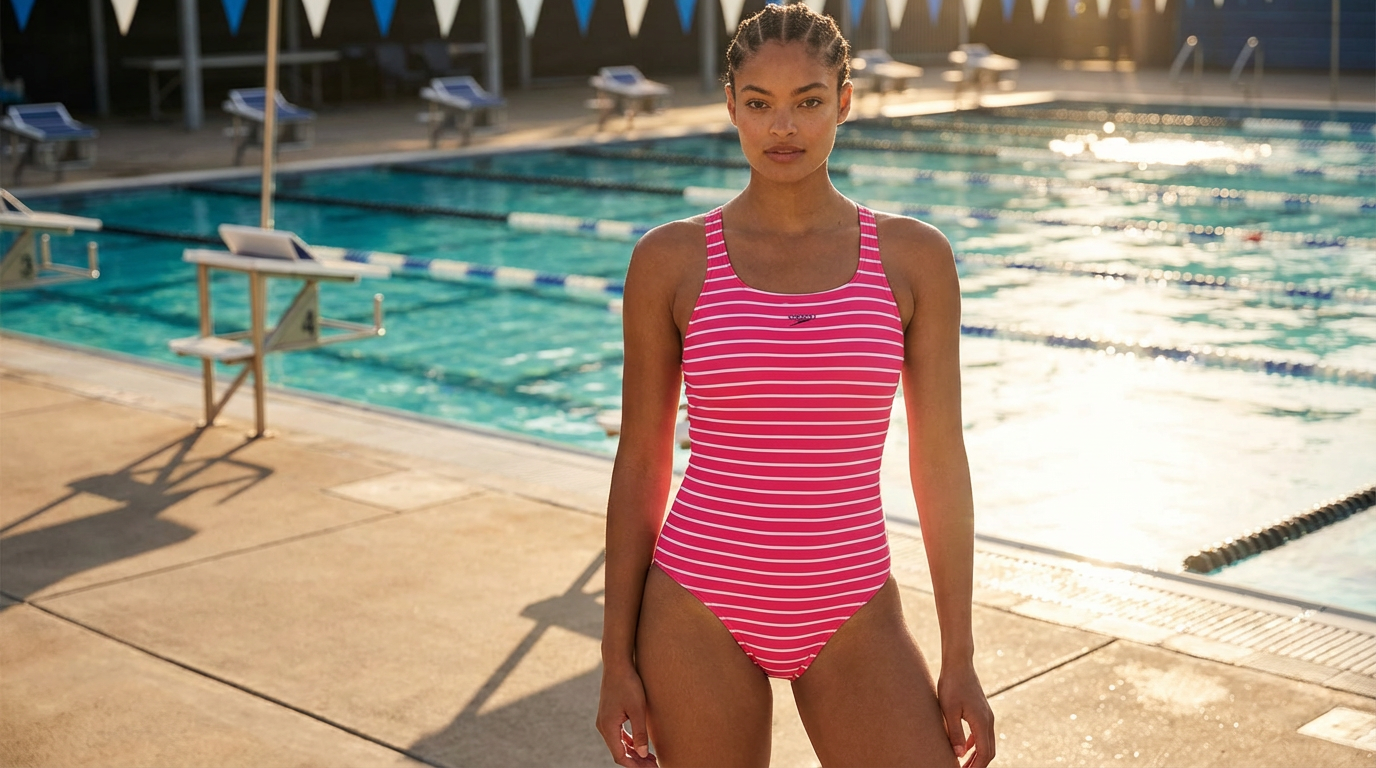
Disclaimer: The lifestyle image above is AI-generated and uses the retailer catalog photo as a visual reference; it is not an official product photo from Speedo.
Referenced product: Speedo — Women’s Endurance+ Printed One Piece.
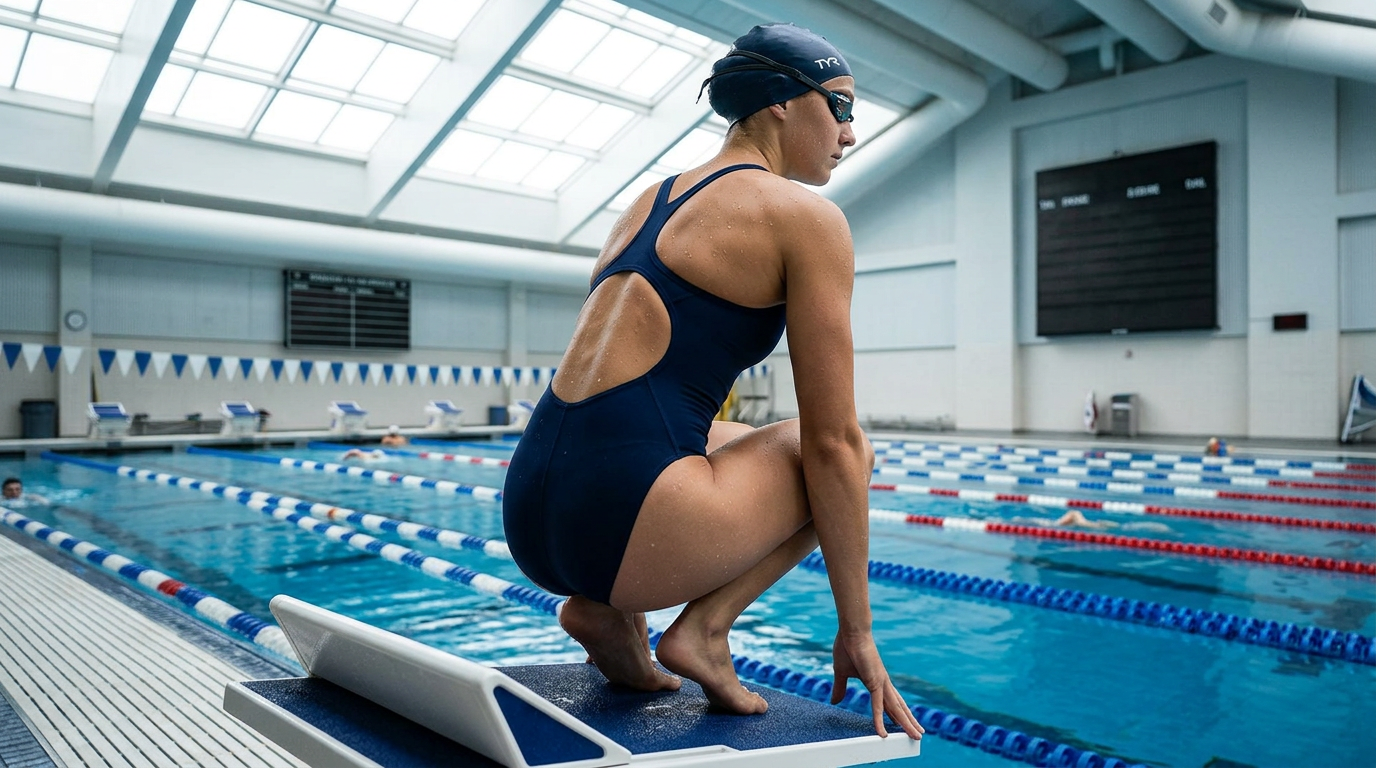
Disclaimer: The lifestyle image above is AI-generated and uses the retailer catalog photo as a visual reference; it is not an official product photo from TYR.
Referenced product: TYR — Durafast One® Women’s Maxfit Swimsuit (Solid).
Key Brands & Examples
Start with two real listings (different sites): open these product pages next to each other and compare Materials, lining photos, and care—fiber callouts are not all written the same way.
- **Speedo — Women’s Endurance+ Printed One Piece** — Endurance+ fabrication with recycled polyester and PBT called out on Speedo’s PDP; use it as a baseline for how a major performance brand documents a training suit.
- **TYR — Durafast One® Women’s Maxfit Swimsuit (Solid)** — Durafast One® story per TYR’s product page; contrast fiber wording, back silhouette photos, and care copy against the Speedo listing.
When you want breadth without committing to one house, Revolve is useful for scanning silhouettes across labels, SwimOutlet for competitive and training SKUs with deep size ladders, Sunset and Swim for a curated swim edit when you want fewer tabs, Nordstrom for mixing swim with easy returns on multi-brand carts, and Cupshe for trend-led options—always verify fiber lines on the specific PDP before you treat a suit as pool-hardy.
How to Style It in Real Life
Rotate two suits for frequent training, rinse after every session, and let pieces dry flat out of direct sun when you can. Pair a performance one-piece with a simple parka or loose tee for the walk to the car—no extra “beach layers” required.
Before you checkout, ask: *Will I keep the rinse habit this suit assumes?* If not, even the best fabric story will age faster than you expect.
FAQ
Does chlorine resistant mean chlorine-proof forever? No—every suit has a lifespan; “resistant” is about slower degradation, not immortality.
Is polyester always better in pools than nylon? Often for chlorine exposure, but knit quality, lining, and elastane share still matter.
Should I trust a leaf icon alone? No—look for compositions, line names, and care instructions you can verify.
Do I need a different suit for salt water? Many training suits work in both; rinse after salt and rotate if you swim daily.
What is the fastest sniff test on a PDP? Vague durability words, no fiber table, and no close-ups of seams.
The Takeaway
Chlorine resistant swimwear is worth the label hunt when you actually live in chlorinated water—but the buy stays physical: fiber specificity, honest photos, and care you will repeat weekly. Compare listings like equipment, then let lap count—not adjectives—prove the purchase.
*Photos in this article are AI-assisted editorial lifestyle images generated using retailer catalog references (see disclaimers under each).*