Where style meets the sea
Recycled nylon swimwear in 2026: a shopper's guide to tags, fit, and greenwashing
You want swimwear that holds its shape, survives chlorine or salt, and matches what the label promised about "recycled" or "regenerated" nylon. If you have ever upgraded to "eco swim" and still watched the seat go shiny or the straps stretch out, you are not imagining it—fiber story and garment engineering do not always travel together.
By the end of this guide, you will know what recycled nylon swimwear claims usually mean in 2026, which details on a product page actually matter, and how to place a few trusted retailers in your rotation without treating sustainability like a buzzword. Industry coverage continues to highlight recycled synthetics and cleaner finishing as central to sustainable swim lines—use that as context, not as a substitute for checking seams and care labels on the piece in your cart.
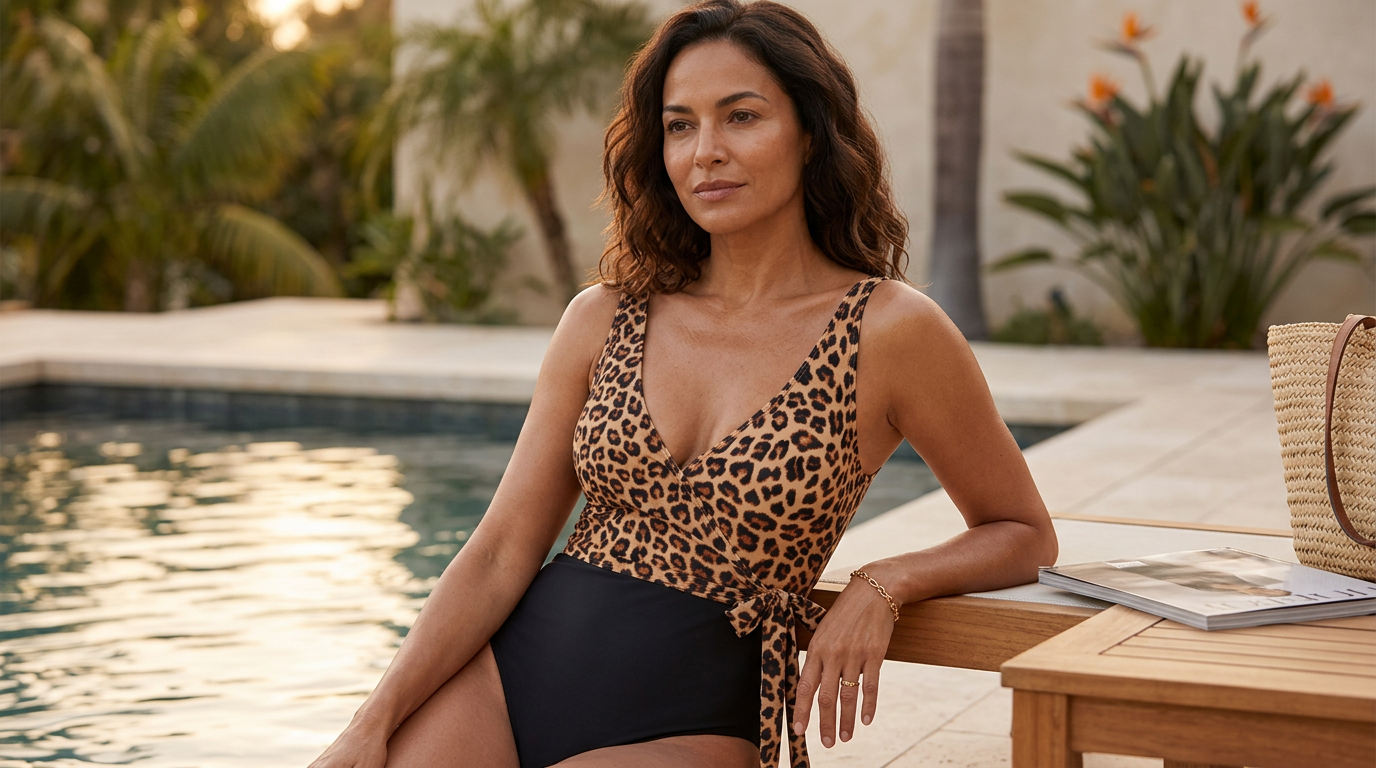
Disclaimer: The lifestyle image above is AI-generated and uses the retailer catalog photo as a visual reference; it is not an official product photo from Summersalt.
Referenced product: Summersalt — The Perfect Wrap One Piece.
What's Trending
Across swim and resort wear, recycled nylon and recycled polyester remain the default "sustainable" story: regenerated polyamide from fishing nets, carpet, and industrial scrap shows up in everything from core one-pieces to surf-ready separates. Editorial and brand coverage for 2026 still pairs those materials with lower-impact dye routes, smaller print runs, and multi-use silhouettes you can wear beyond the towel line—partly because longer useful life is the most honest sustainability lever most of us can actually control.
You might be thinking recycled should feel obviously different on the body. Usually it does not: performance comes from knit structure, elastane percentage, and finishing, not from the word "ECONYL®" printed on a hangtag.
Why It Matters for Swimwear Shoppers
Swim fabric lives a harder life than almost anything else in your closet: UV, salt, sunscreen oils, chlorine, and repeat stretching. A label that says "recycled" does not guarantee recovery after stretch, lining that holds color, or edges that resist curling. That is why two suits with similar marketing can age differently after a dozen wears.
Treat recycled nylon swimwear as a baseline material claim, then judge the suit the way you would judge any serious swim piece: Where is the lining? How dense does the knit feel? Are seams flat and doubled where stress concentrates? If those answers are vague in photos, zoom in or move on.
What to Buy in Recycled Nylon Swimwear: Fabrics, Fits, and Features
Look for specificity. "Made with recycled materials" is weaker than a percentage or a named input stream paired with a certification you can verify on the brand's site. Global Recycled Standard and similar chain-of-custody labels are not the whole story, but they are more informative than a leaf icon.
On fit, prioritize recovery: a little elastane is normal, but if the whole suit feels limp on the hanger, it will not magically firm up in water. For chlorine-heavy pools, favor denser knits and darker colors if you are hard on suits; for salt and sun, rinse on the day you wear the piece and rotate two suits if you swim often.
Ask yourself after skimming the product page: Can I picture where this suit takes stress, and did the brand show that area clearly? If not, keep browsing.
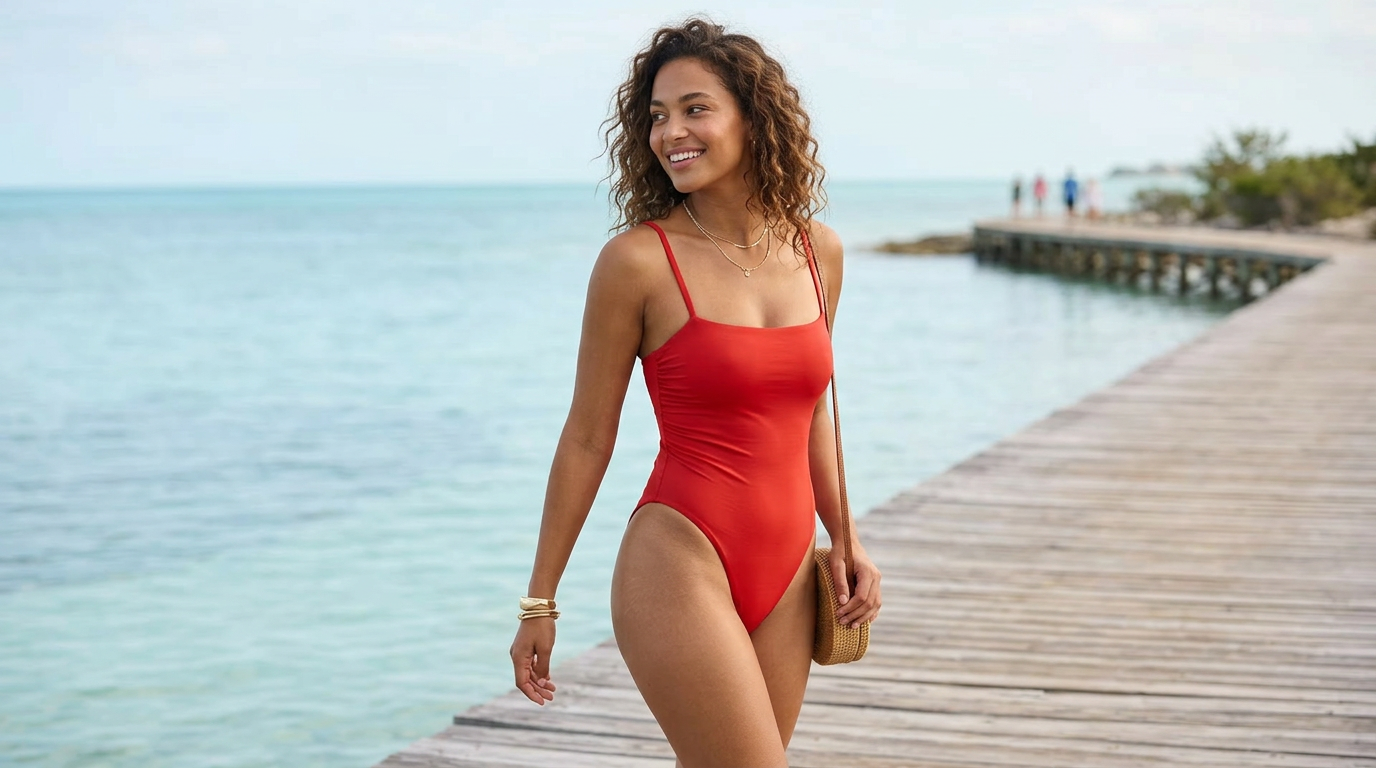
Disclaimer: The lifestyle image above is AI-generated and uses the retailer catalog photo as a visual reference; it is not an official product photo from Vitamin A.
Referenced product: Vitamin A — Jenna One Piece (Ruby EcoLux).
Key Brands & Examples
Start with two real listings (different sites): open these product pages next to each other and compare Materials, lining photos, and care—recycled fiber callouts are not all written the same way.
- Summersalt — The Perfect Wrap One Piece — Uses recycled polyamide (regenerated nylon family) with elastane in Summersalt's standard swim fabrication; confirm the exact percentages on this PDP before you buy.
- Vitamin A — Jenna One Piece (Ruby EcoLux) — EcoLux recycled fabric story per Vitamin A's product page; use it as a contrast to the Summersalt fiber wording, photos, and care copy.
Multi-brand retailers are still useful for scanning options and reviews: Nordstrom for a wide mix of brands and return policies; Cupshe for trend-led silhouettes at lower price points; Sunset and Swim for a focused swim-only edit when you want fewer tabs open.
Skip the brand hunt if your only question is "Which logo is virtuous?" Virtue is not printed on a homepage; it shows up in specs, care longevity, and whether the piece earns a second summer.
How to Style It in Real Life
Pair a clean, well-lined one-piece or hybrid top with a breathable wrap or oversized shirt so you are not buying three redundant layers for one trip. Earthy solids and simple cuts tend to outlast loud prints when fabrics are only medium weight. One reflective question before you checkout: Will I reach for this on a normal beach day, not just on vacation? If the answer is no, the footprint is probably not worth the hanger space.
FAQ
Does recycled nylon feel different from virgin nylon? Often not by touch alone; differences show up over time through recovery and color fastness.
Is a higher recycled percentage always better? Not if the garment is poorly made—an 80 percent recycled suit that bags out is still a bad buy.
Should I trust "ECONYL®" on a label? It signals a specific regenerated nylon supply chain, but you should still judge lining, elastane share, and care instructions like any other suit.
Are natural fibers better for swim? Cotton and similar are usually for cover-ups, not performance swim; recycled synthetics still dominate where stretch and dry time matter.
What is the fastest greenwashing sniff test? Vague icons, no percentages, no care detail, and no close-up of stress seams.
The Takeaway
Recycled nylon swimwear is worth considering in 2026, but the purchase decision stays physical: recovery, lining, honest photos, and a care plan you will actually follow. Pick retailers that let you compare those details without noise, then let the suit prove itself in water—not on the marketing page.
Photos in this article are AI-assisted editorial lifestyle images generated using retailer catalog references (see disclaimers under each).